


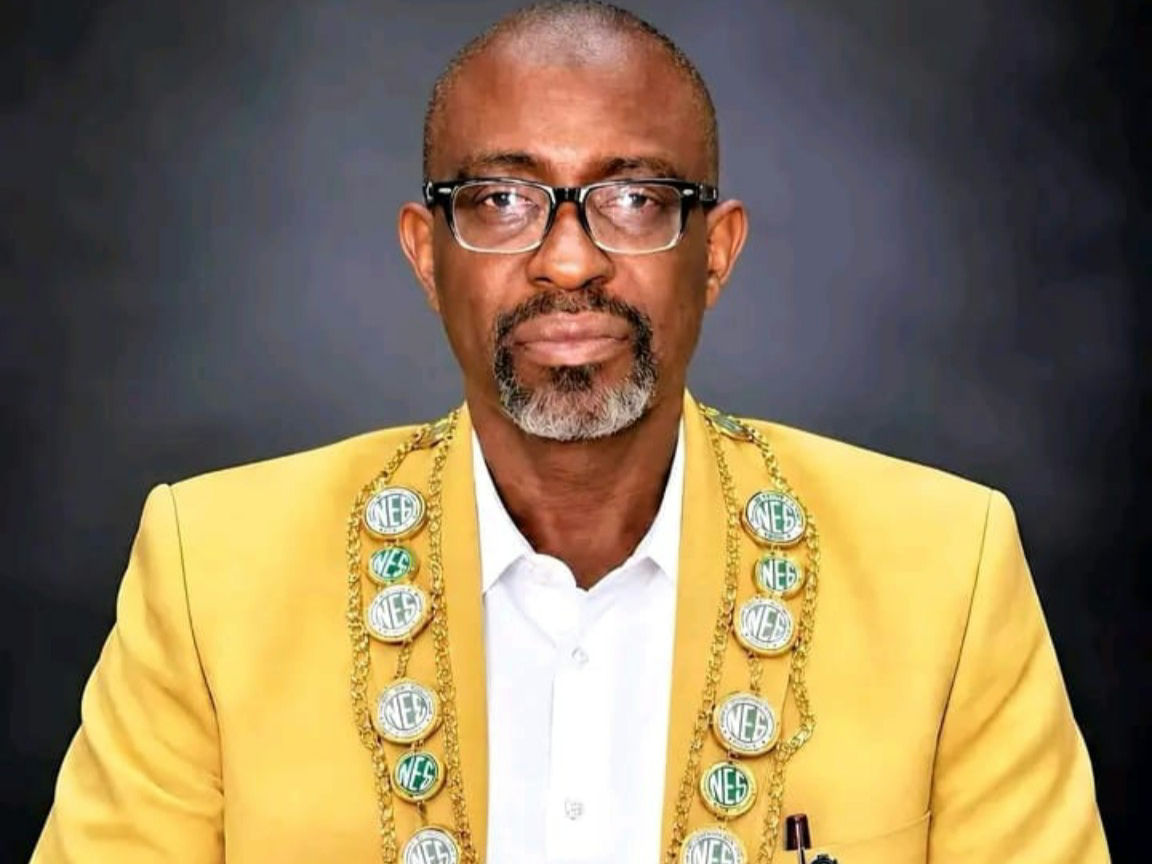
We tend to celebrate leaders at the moment they win. The harder test comes afterwards, in what they do with the job. That is the lens I want to use for Professor Muhammad Bashar Nuhu Tachi, the new National President of the Nigerian Environmental Society (NES). Beyond the honour itself, what could his tenure mean for environmental professionalism and sustainable development in Nigeria?
Professor Nuhu was elected on 10 October 2026 at the Society’s 35th National Conference and 36th Annual General Meeting in Benin City, Edo State. He is the first person from Northern Nigeria to hold the office in the Society’s 41-year history. That is worth celebrating. The more pressing question, though, is what happens next. How can professional knowledge shape public decisions, sharpen development planning and help Nigeria deal with its environmental problems?
Environment and development belong together
Environmental issues are often treated as a separate conversation from development. They aren’t. Every decision about land, housing, infrastructure, urban growth and natural resources has an environmental side to it.
This is where Professor Nuhu’s background matters. He has worked in estate management, land administration and academia, so he has seen up close how the built and natural environments affect each other, and why development choices have to be judged by their long-term effects. As NES president, he is well placed to bring environmental scientists, planners, engineers, estate surveyors and valuers, researchers and public administrators into closer cooperation. The aim is simple: environmental concerns should shape a project from the first drawing board, not get bolted on once the damage is done.
The NCDC connection
In September 2025, President Bola Ahmed Tinubu appointed Professor Nuhu Executive Director, Finance, of the North Central Development Commission (NCDC). The Commission is mandated to promote and coordinate development across the North Central region, so his role there sits right where public money, regional growth and the management of resources meet.
Development costs money, and money forces choices about priorities. Well-planned infrastructure and land projects can benefit people for decades. Ignore the environment, and the bill lands on communities and on the generations after them. The NCDC and the NES have different mandates, but having a foot in both gives Professor Nuhu a rare view of how development administration and environmental professionalism connect. The point is not to build more. It is to build in a way that respects local environmental conditions, meets community needs and lasts.
From knowledge to action
Nigeria has never been short of research and technical expertise. The persistent problem is getting institutions to actually use it.
Professor Nuhu has some experience on this front. According to his academic profile at the Federal University of Technology, Minna, he was the consultant who helped establish the Niger State Geographic Information System (NIGIS), a platform meant to improve land information management and bring geographic data into land administration. Systems like this show what professional expertise can do for public institutions. Reliable land records and geographic data help governments manage land more efficiently, make property information easier to access and support better planning. The same data is just as useful in environmental management, where good decisions depend on knowing how land and natural resources are actually being used.
That experience points to what the NES can do: bridge research, professional practice and public policy. It can push for recommendations grounded in evidence, engage constructively with government and help ordinary people understand environmental issues. A professional body should be judged less by the number of conferences it holds than by the practical value it adds to society.
The work ahead
Professor Nuhu’s election is also a chance to strengthen the Society itself. Younger practitioners and researchers need real openings to share ideas, build their expertise and take part in environmental debates. Then there is the Society’s relationship with government. Working together is essential if policy is to improve and be properly implemented, but a professional body only keeps its credibility if it can still give independent, evidence-based advice in the public interest.
No single person can deliver all of this. It will take a committed executive, active members, cooperation between institutions and clear priorities. For the NES, it is a chance to build on its standing and play a bigger part in Nigeria’s environmental future.
Beyond the honour
Professor Nuhu’s emergence as National President of the NES is a significant milestone. His academic record, his experience in land administration and his public-service responsibilities give him a solid foundation for contributing to the debate on environmental sustainability and development. His role at the NCDC adds another layer, especially when thinking about how development priorities and resource management affect public welfare over the long run.
In the end, titles don’t define a leader. The quality of their decisions does, along with the institutions they strengthen and the real value they deliver to society. His election is both an achievement and a responsibility, and his leadership will be judged by how well he uses this opportunity to promote professional collaboration, strengthen environmental advocacy and turn knowledge into action.
The honour has been earned. Now the task is to make the responsibility count.
Abubakar Abdullahi el-Kurebe is a Principal Information Officer, librarian, information scientist and public affairs writer based in Kuta, Shiroro Local Government Area, Niger State, Nigeria. His interests include good governance, public communication, community development, youth engagement and peacebuilding. He writes on leadership, public affairs and issues affecting communities and the society. He can be reached at sadeequllah19@gmail.com.
