



BY ABDULLAHI ABU-JAMIL| The official flag-off of the All Progressives Congress (APC) Tinubu–Shettima 2027 Presidential Campaign at Kaduna Township Stadium offered more than a ceremonial launch of the party’s quest for another presidential mandate. It also provided an opportunity to observe the influence of experienced political actors whose calculations, relationships and grassroots networks could shape the contest ahead.
Among the prominent figures at the event was former Sokoto State Governor and Senator representing Sokoto North, Aliyu Magatakarda Wamakko, a veteran politician whose enduring influence within the APC has earned him the reputation of a master strategist.
As President Bola Ahmed Tinubu, Vice President Kashim Shettima, governors, members of the APC National Working Committee, National Assembly members and other political stakeholders gathered to commence the party’s nationwide campaign, Wamakko’s presence carried significance beyond his formal political position.
The senator was seen being consulted by different political figures, an observation that reinforced the perception of him as a trusted source of political counsel. It was a reminder that, in Nigerian politics, experience, relationships and an understanding of the electorate can remain valuable assets even when the spotlight belongs to presidential candidates and party executives.
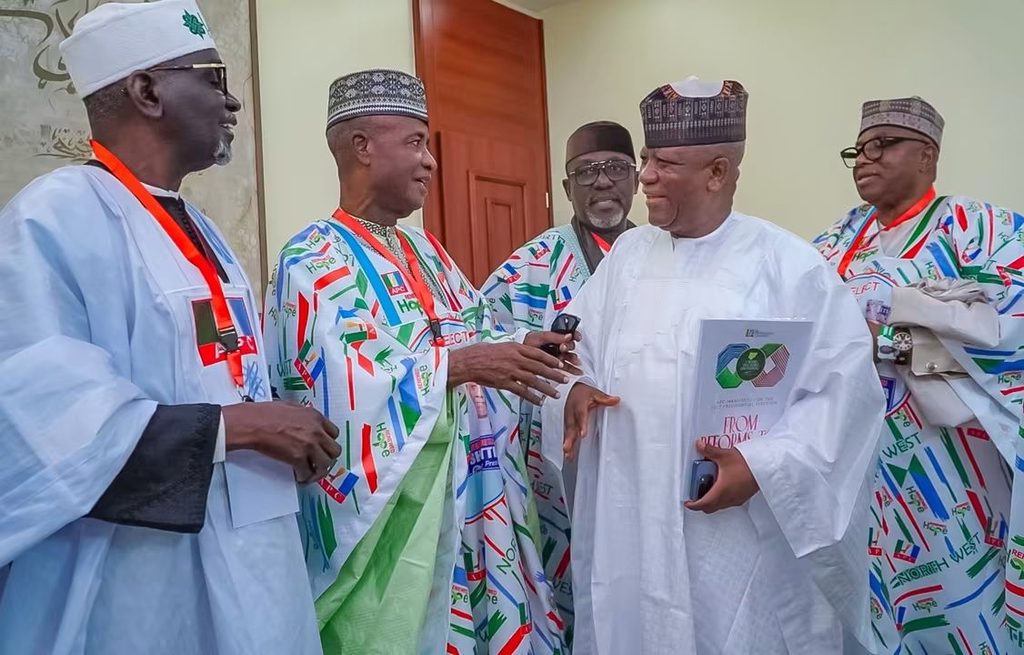
For Wamakko, the emerging description of Consultant-General captures a role that could become particularly important as the APC prepares for the 2027 presidential election.
A political career built on experience
Wamakko’s political journey provides a foundation for that reputation. Before becoming governor, he served as deputy governor of Sokoto State from 1999 to 2006. He subsequently became governor in 2007 and won re-election in 2011, completing two terms in office in 2015.
He later transitioned to the Senate, where he has represented Sokoto North since 2015, winning successive elections in 2019 and 2023. His experience spans local administration, state executive leadership, party politics and federal legislative responsibilities.
This breadth of experience matters in a political environment where successful campaigns require more than rallies, slogans and media appearances. They demand an understanding of local political dynamics, the ability to manage competing interests, effective communication with community leaders and the capacity to translate national messages into issues that resonate with voters.
Having operated at different levels of government, Wamakko is positioned to contribute perspectives shaped by years of political engagement. His experience does not automatically guarantee electoral success for any candidate, but it offers the APC a potentially valuable source of advice as it develops its campaign strategy.
Why the ‘Consultant-General’ description fits
The proposed title, Consultant-General, is not an official party designation. Rather, it describes the informal advisory role that experienced political leaders can play in major electoral contests.
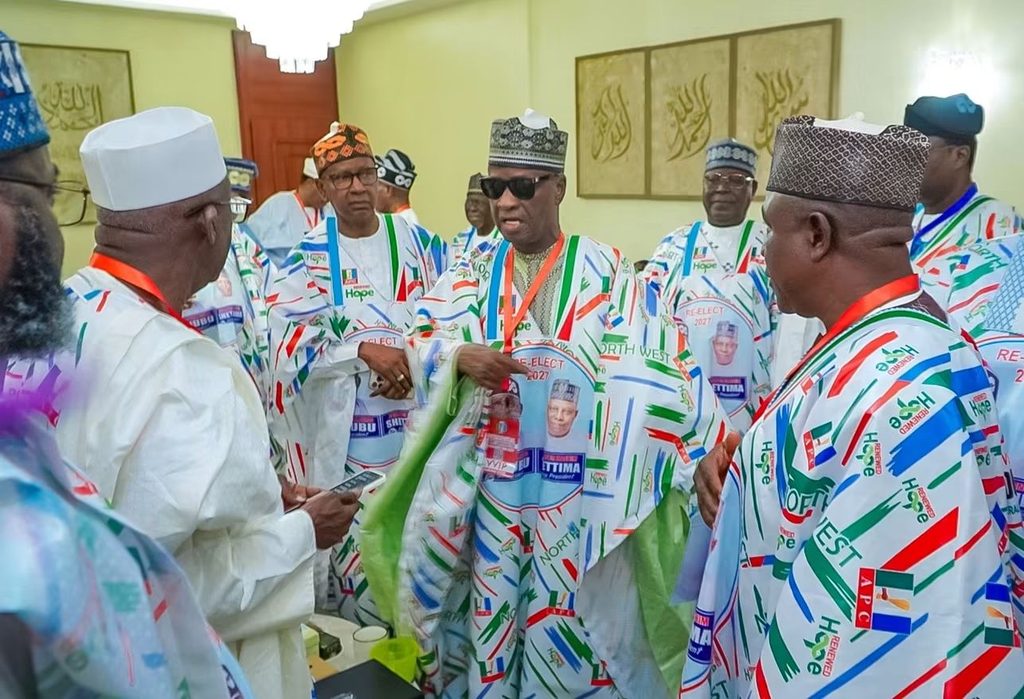
Such a role involves reading the political environment, identifying emerging challenges, assessing the strength of party structures and advising on how to build consensus among stakeholders. It also requires knowing when to speak, when to listen and how to reconcile disagreements without unnecessarily weakening the organisation.
These are precisely the areas in which Wamakko’s long political career could prove useful to the APC.
His political standing in Sokoto is particularly relevant. He remains a central figure in the state’s APC structure, with a longstanding relationship with Governor Ahmed Aliyu and an established presence in the party’s political calculations. Recent reporting has highlighted his influence in the state’s political landscape and his continued support for Tinubu.
For the presidential campaign, the challenge is to convert such influence into sustained political engagement, credible mobilisation and voter confidence.
From political influence to electoral strategy
The APC’s road to 2027 will require coordination across Nigeria’s diverse political and regional interests. In the North-West, where electoral mobilisation will be important to the presidential contest, experienced leaders with established grassroots connections could contribute to the party’s efforts to consolidate support.
Wamakko’s potential contribution extends beyond Sokoto. His experience in party negotiations, government administration and electoral contests could help inform discussions about regional priorities, stakeholder engagement and the management of internal party differences.
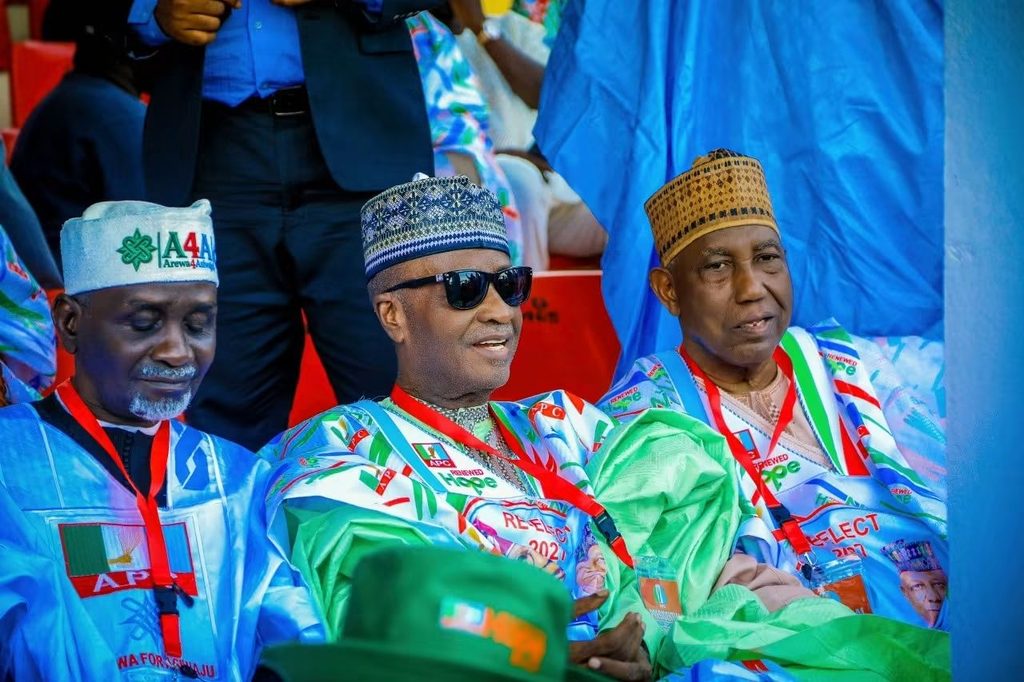
As a political adviser, his greatest value would lie not merely in the number of people who seek his opinion, but in the quality and practical usefulness of that counsel.
He could help the party identify gaps between campaign messaging and voters’ everyday concerns, encourage stronger coordination between federal and state political structures, and promote dialogue where disagreements threaten party cohesion.
Equally important is the need to connect political mobilisation with governance. Economic hardship, insecurity, employment, education, healthcare and infrastructure remain issues that voters can use to assess the performance of any administration.
A convincing campaign must therefore explain the administration’s record, acknowledge legitimate public concerns and present credible responses to the challenges that remain. Political experience is most valuable when it helps a party understand these concerns and communicate its plans more effectively.
A strategic asset, not a substitute for performance
Tinubu’s re-election campaign cannot depend on political calculations alone. Its success will also be influenced by the administration’s performance, the credibility of its candidates, the effectiveness of its campaign organisation and the choices Nigerians ultimately make at the ballot box.
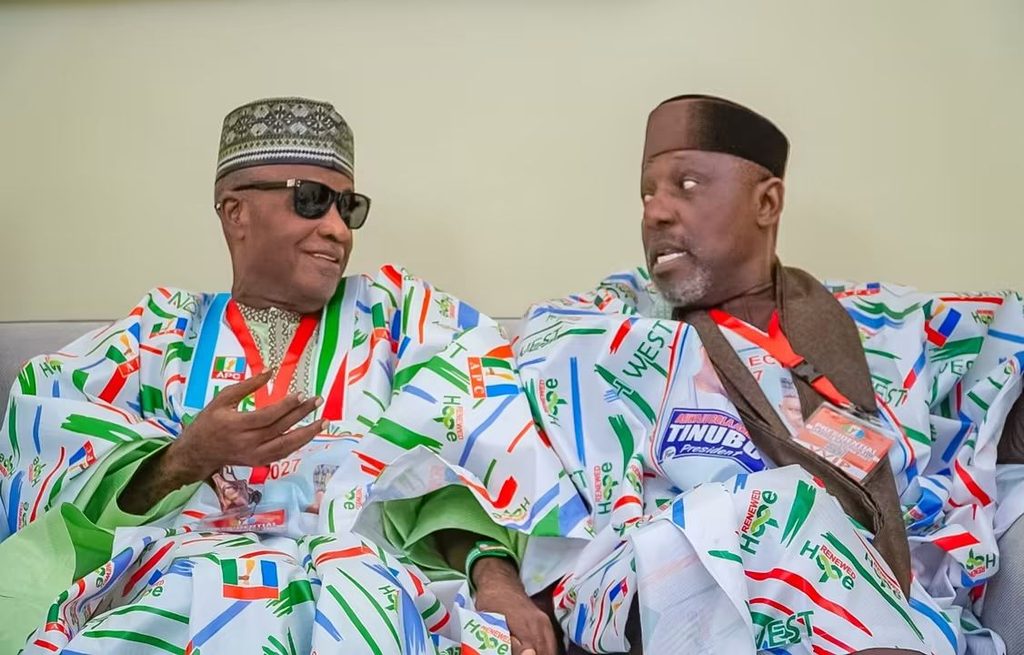
Wamakko’s experience could contribute to the political side of that equation, particularly through consultation, consensus-building and grassroots engagement. However, the extent of his impact will depend on whether his advice is sought, considered and translated into effective action.
The Kaduna campaign flag-off was an opening chapter, not a verdict on the election. The months ahead will test the APC’s ability to sustain its organisation, communicate its achievements and respond to public expectations across the federation.
For Wamakko, the opportunity is to demonstrate that political leadership does not end with holding executive office or occupying a seat in the Senate. It can also find expression in the ability to guide younger politicians, offer strategic perspective and help a party navigate a complex electoral environment.
His reputation as the Master Strategist rests on a long record of political participation. The emerging Consultant-General description points towards how that experience could be deployed in the next contest.
If the APC effectively harnesses his counsel alongside the contributions of other experienced leaders, Wamakko could become one of the important voices helping shape the party’s approach to 2027.
Ultimately, the test will not be how often he is consulted or how prominently he appears at campaign events. It will be whether experience translates into better political decisions, stronger party coordination and a campaign capable of earning the confidence of Nigerian voters.
For Tinubu and the APC, that is where the value of a master strategist must finally be measured.
