


I have read Chief Yemi Soladoye’s intervention on Governor Seyi Makinde’s G-Wagon gift to the President-General of the CCII, Chief Niyi Ajewole. I agree that the CCII’s independence, integrity, and public standing must be protected. No individual, however distinguished, should become bigger than the institution he is privileged to lead.
But I find the intervention troubling for another reason. It raises questions about consistency, historical memory and the moral authority from which the criticism is being advanced.
Chief Soladoye was himself President-General of the CCII for two consecutive terms. His tenure coincided with one of the most contentious episodes in the recent history of Ibadan’s traditional institution: Governor Abiola Ajimobi’s controversial review of the Olubadan chieftaincy system and the elevation of 21 chiefs and Baales to beaded-crown status.
What was the position of the CCII under his leadership?
The public record is clear. In August 2017, Soladoye, speaking as President-General, publicly endorsed the exercise. He declared that the reform had been initiated, supported and applauded by the generality of Ibadan indigenes. He went further to claim that over 90 per cent of Ibadan people supported the review. This was at a time when the Olubadan, Oba Saliu Adetunji, and hundreds of Mogajis were contesting the government’s intervention in the traditional structure of Ibadanland.
In September 2018, the same CCII leadership organised a thank-you initiative in honour of Governor Ajimobi. It announced plans for an Ajimobi Foundation for Advanced Democracy, an award ceremony and a commemorative publication. Soladoye himself led a delegation to the Governor and publicly praised his administration.
In December of that year, the CCII hosted a birthday reception for Ajimobi. Soladoye defended the event against suggestions that it was politically motivated and maintained that the Governor deserved recognition for his achievements.
These are not allegations. They are matters reported publicly by established newspapers. The historical record is available for anyone who cares to consult it.
I am not suggesting that the relationship was necessarily transactional, nor am I alleging that Soladoye personally benefited from it. That would require evidence. But the question of institutional independence cannot suddenly become urgent only when another administration is involved.
If a personal gift from a sitting governor to a serving President-General is now considered capable of compromising the CCII, what standard did Soladoye apply when his own administration publicly celebrated and endorsed a sitting governor whose actions had generated a major dispute with the Olubadan institution?
Did the CCII’s public endorsement of the chieftaincy review not raise questions about its independence from government? Did the elaborate celebration of the Governor not create the very appearance of institutional proximity that he now finds objectionable?
These are fair questions. They deserve honest answers.
There is a Yoruba saying that the person who commits an act may forget, but those who clean up after the act do not necessarily forget. History has a way of returning to interrogate those who would rather have it forgotten.
I therefore find it difficult to accept a moral lecture on the dangers of a Greek gift without first examining the lecturer’s own record. One cannot selectively apply institutional principles according to the identity of the governor involved or the person occupying the office of President-General.
That said, the present G-Wagon controversy should not be dismissed. Chief Niyi Ajewole must appreciate that the office he occupies carries a responsibility beyond his private person. The circumstances surrounding such an expensive gift deserve transparency. The CCII should protect its independence and ensure that no benefactor, however generous, acquires a perceived claim over its leadership.
But the same standard must apply to everybody.
The CCII is not the property of Ajewole. It was not the property of Soladoye. It does not belong to any governor, past or present. It belongs to Ibadanland and must remain answerable to its people.
Chief Soladoye is entitled to criticise the present leadership. But he must also be prepared to submit his own record to the same scrutiny. The question is not whether Ajewole should be above criticism. He should not. The question is whether those who criticise him are prepared to be judged by the same principles.
In public life, credibility is not inherited from a former title or established by the force of one’s criticism. It is sustained by consistency.
Before throwing stones, one must first account for the state of one’s own glass house.
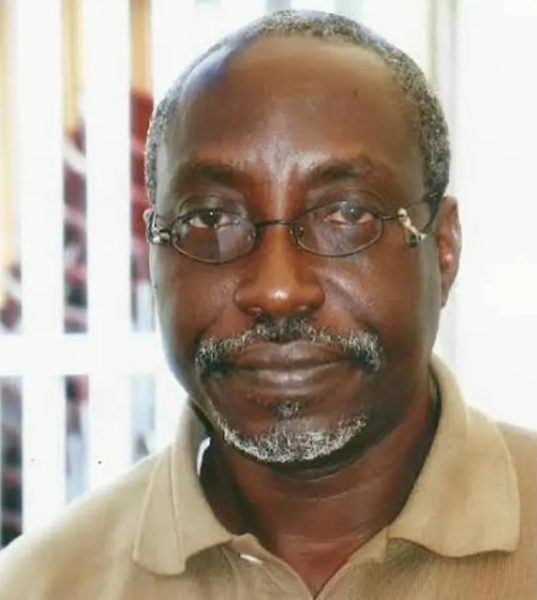
Lanre Ogundipe is the President Ibile Club International, Ibadan.
